
There is a version of the home buying process where everything goes smoothly. The offer is accepted, the inspection comes back manageable, the closing happens on schedule, and you move in ready to enjoy your new place. Then, six weeks later, you flush a toilet and something deeply unpleasant happens. The culprit is almost always something that was there before you arrived, buried under the yard, completely invisible during a standard walkthrough, and very expensive to deal with after the fact. A sewer scope inspection exists specifically to prevent that scenario, and it is one of the most skipped add-ons in the entire inspection process, which is a decision that makes very little sense once you understand what it actually involves.
What a sewer scope inspection is
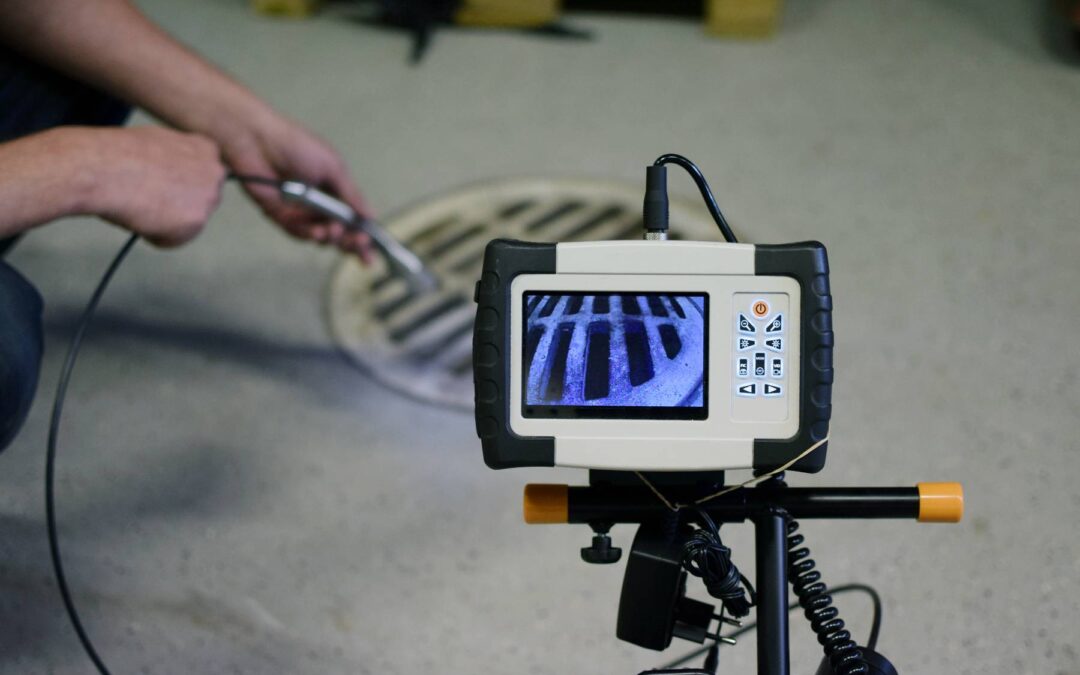
A sewer scope inspection uses a flexible camera on a long cable to travel through the home’s drain line from a cleanout access point to the municipal connection or septic system. The camera transmits a live video feed the entire way, and the inspector evaluates what they see in real time. The whole process typically takes less than an hour and does not require any digging, disruption, or special preparation.
What the camera finds, or does not find, tells a clear story about the condition of one of the most expensive systems in the home. The sewer line is the plumbing that nobody ever thinks about until it stops working, and when it does stop working, the repair bill tends to arrive as a genuine shock.
What the camera is actually looking for
A sewer scope inspection can identify a range of conditions, from minor to serious. Root intrusion is one of the most common findings, particularly in older properties and on lots with mature trees. Tree roots are remarkably good at finding their way into small cracks and joints in pipe walls, and once they are in, they grow. A small root intrusion today becomes a blockage or collapse waiting to happen. The camera shows exactly how far the roots have progressed and where along the line they are concentrated.
Pipe condition is another key evaluation point. Older clay or cast iron drain lines deteriorate over time. Sections crack, joints separate, and the pipe can develop low spots called bellies where wastewater pools instead of flowing toward the connection. Bellies do not always cause immediate problems, but they accumulate debris over time and become a recurring maintenance issue.
In some cases the camera finds something simpler and more urgent: an active blockage, a collapsed section, or a pipe that has shifted so significantly that flow is severely restricted. These are the findings that matter most at the time of purchase because they affect function immediately, not eventually.
Why Gulf Coast properties deserve extra attention here
Properties along the Florida Panhandle, coastal Georgia, and Alabama present specific conditions that make a sewer scope inspection particularly worthwhile. Sandy soils shift. Older beach communities have aging infrastructure. Properties that spent time as seasonal rentals or sat vacant between owners sometimes have drain lines that received inconsistent maintenance and accumulated years of buildup.
There is also the matter of age. The Panhandle has a significant inventory of homes built in the 1970s, 80s, and 90s. These are properties that are entirely livable and often well-maintained on the surface but are running drain lines that have never been scoped, replaced, or evaluated. At Tri-State Property Inspections, Eric Mercer brings over 15 years of inspection experience to properties across this region, and that familiarity with local construction history and soil conditions shapes how a sewer scope inspection is interpreted, not just conducted.
Vacation rentals and high-turnover properties
The Gulf Coast’s vacation rental market means a large portion of available properties have seen heavy use, sometimes very heavy use. Drain lines in homes that have hosted hundreds of short-term guests year after year accumulate grease, debris, and wear in ways that a standard visual inspection simply cannot reveal. If you are buying a property with a rental history, adding a sewer scope inspection to your due diligence is not optional in any practical sense.
What happens when something is found
A sewer scope inspection that turns up a problem is not a reason to walk away from a deal. It is information, and information is exactly what you are paying for when you hire an inspector. A root intrusion that can be cleared and monitored costs a fraction of what a collapsed line costs. A pipe belly that needs periodic maintenance is a manageable reality. A repair that comes up in negotiation before closing is always less painful than one that arrives as an emergency after you have moved in.
The scope report gives you specifics: where the issue is, what kind of condition it represents, and what kind of follow-up is likely warranted. From there, you can request a repair credit, ask the seller to address it, or price it into your offer. None of those options are available without the inspection.
Frequently Asked Questions (FAQ)
How much does a sewer scope inspection cost?
Sewer scope inspections are typically one of the more affordable inspection add-ons, especially relative to what they protect against. A drain line repair or replacement can run into thousands of dollars. The inspection cost is a small fraction of that. Combining a sewer scope with a standard buyer’s inspection during the same visit is usually the most efficient way to add it.
Does every home need a sewer scope inspection?
It is most strongly recommended for homes over 20 years old, properties on lots with mature trees, homes with a rental history, and any property where the seller cannot provide documentation of recent sewer line maintenance. That said, new construction is not immune to improper installation or damage during the building process, and the peace of mind from a clean scope result is worth the cost regardless of the home’s age.
What is the difference between a sewer scope and a plumbing inspection?
A standard plumbing inspection evaluates the visible components of a home’s plumbing system, including fixtures, supply lines, shut-offs, water heater, and accessible drain connections. A sewer scope inspection specifically evaluates the underground drain line from the home to the connection point. The two are complementary, not interchangeable.
Can the camera see the entire sewer line?
In most cases, yes, from the cleanout access point to the municipal tap or septic inlet. Occasionally access limitations, pipe configuration, or blockages prevent the camera from reaching the full length of the line. When that happens, it is noted in the report along with the reason and how much of the line was evaluated.
What should I do if the sewer scope finds a problem?
Bring the scope report to your real estate agent immediately and get a repair estimate from a licensed plumber before closing. That number becomes the basis for your negotiation. Most sellers would rather provide a credit or arrange a repair than lose a buyer over a drain line issue that is going to show up again at the next inspection.
Tri-State Property Inspections is proudly serving Destin, Fort Walton Beach, Panama City, Pensacola, and communities across Northwest Florida, South Georgia, and Southeast Alabama.