
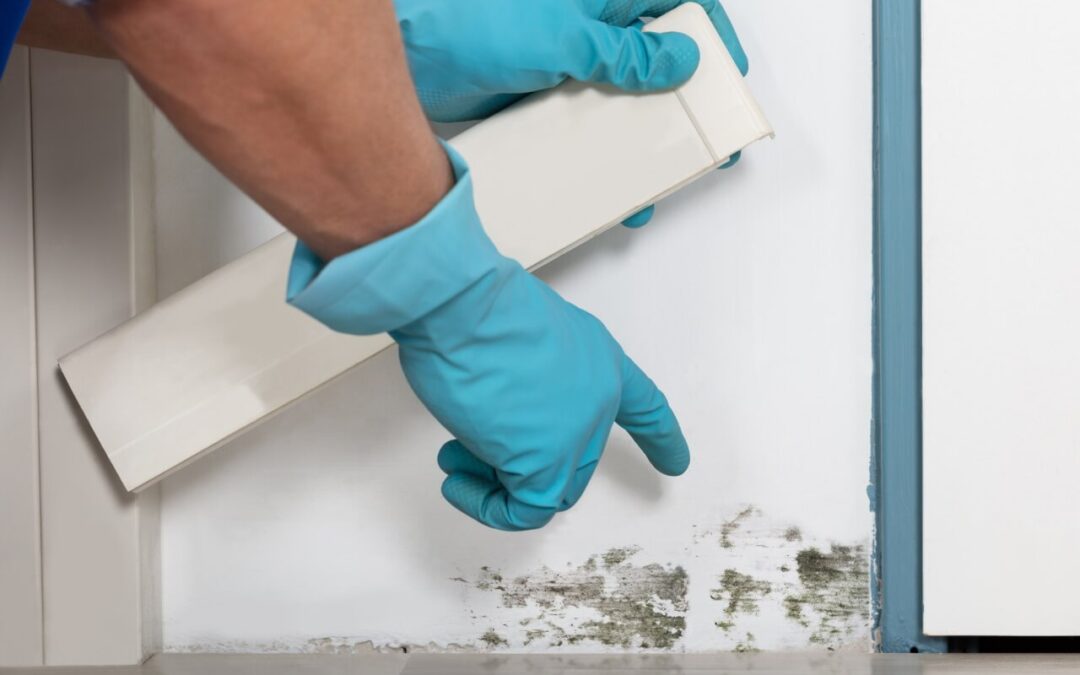
Mold is one of those home problems that sneaks up on you. One day everything looks fine, and the next you’re spotting dark patches behind the toilet or along the bathroom grout. The good news? You don’t have to wait for mold to show up before taking action. Knowing how to prevent mold from taking hold in your home is easier than most people think, and it could save you thousands of dollars in remediation costs down the road.
Why Mold Loves Your Home
Mold isn’t picky, but it does have preferences. It thrives in warm, damp, poorly ventilated environments, which, unfortunately, describes a good portion of the average home. Bathrooms, basements, attics, and kitchens are the most common trouble spots, but mold can grow anywhere moisture collects and lingers. It only takes 24 to 48 hours for mold spores to begin colonizing a wet surface, so addressing moisture quickly is everything. Understanding what mold needs to grow is the first step toward stopping it. Remove the moisture, and you remove mold’s ability to survive.
Control Humidity Levels to Prevent Mold Growth
Indoor humidity is one of the biggest contributing factors to mold growth. Ideally, you want to keep humidity levels in your home between 30% and 50%. Anything consistently above 60% creates a welcoming environment for mold spores to settle and spread. A simple and inexpensive hygrometer (a humidity gauge) can be picked up at most hardware stores and placed in problem areas like basements or bathrooms. If humidity is running high, a dehumidifier could make a significant difference. In warmer months, running your air conditioning also helps pull moisture out of the air naturally.
Fix Leaks and Water Damage Immediately
A slow drip under the sink or a small roof leak might not seem urgent, but delayed repairs are one of the most common causes of mold problems in homes. Water that seeps into walls, flooring, or ceilings creates the perfect hidden environment for mold to grow undetected for weeks or months. Make it a habit to check under sinks, around toilets, near water heaters, and along window frames for any signs of moisture or water staining. If you find water damage, dry it out thoroughly within 24 to 48 hours and address the source of the leak right away. This single habit alone prevents mold from becoming a serious problem in your home.
Prevent Mold by Keeping Your Home Well Ventilated
Poor airflow traps moisture indoors, especially in areas like bathrooms, laundry rooms, and kitchens where steam and humidity are generated regularly. Always run exhaust fans during and after showers, and leave them on for at least 15 to 20 minutes after you’re done. In the kitchen, use the range hood fan when cooking, especially on the stovetop. If your attic or crawl space doesn’t have adequate ventilation, it’s worth having it assessed. Trapped warm air in these spaces condenses into moisture, which is exactly the kind of environment where mold quietly gets established long before anyone notices.
Inspect and Maintain Your Gutters
It might seem unrelated, but clogged or damaged gutters are a surprisingly common cause of indoor moisture problems. When gutters overflow, water runs down the side of the house and could seep into the foundation, basement, or crawl space. Cleaning gutters at least twice a year and ensuring downspouts direct water several feet away from the foundation goes a long way toward keeping moisture out of your home’s structure.
Prevent Mold in the Bathroom With Simple Daily Habits
The bathroom is ground zero for mold in most homes, but small daily habits make a big difference. Squeegee shower walls after each use, leave the shower curtain or door open to allow surfaces to dry, and wash bath mats regularly. Check the caulking around your tub and shower periodically; cracked or missing caulk lets water sneak into walls where mold can grow completely out of sight. These aren’t major projects. They’re quick, consistent habits that prevent mold from ever getting a foothold.
Frequently Asked Questions (FAQs)
What are the first signs of mold in a home?
The most common early signs include a musty or earthy smell in certain rooms, small dark or discolored spots on walls, ceilings, or grout lines, and unexplained allergy-like symptoms such as sneezing or eye irritation.
Can mold grow even if my home doesn’t feel damp?
Yes. Mold can grow in areas with hidden moisture that you may not feel or see, such as inside walls, under flooring, or in the attic. A home may feel comfortable on the surface while concealing moisture problems in its structure.
How often should I check my home for potential mold issues?
A good rule of thumb is to do a walkthrough of common problem areas, such as bathrooms, basement, under sinks, around windows, and near appliances like washing machines and water heaters, at least twice a year. After any major rain event, flooding, or plumbing issue, check those areas promptly.
Is mold always visible?
Mold often grows in hidden areas like behind drywall, under carpet, inside HVAC ducts, or in crawl spaces. If you suspect mold but can’t see it, a professional mold assessment can identify hidden growth using specialized tools and techniques before it spreads further.
When should I call a professional?
If mold covers an area larger than 10 square feet, is located inside walls or ductwork, or keeps coming back after cleaning, it’s time to call a professional. Recurring mold is usually a sign of an unresolved moisture problem that needs expert diagnosis and treatment.
Tri-State property Inspections LLC offers comprehensive home inspections and mold assessments across parts of Florida, Georgia, and Alabama. Contact us to schedule an appointment for our services.